


Table of Contents
- Why Ecco Verde Alternatives Matter for Sensitive Skin
- Best Organic Skincare Brands for Sensitive Skin
- How to Choose Natural Skincare for Sensitive Skin
- Skincare Routine for Sensitive Skin
- Common Mistakes When Switching to Natural Skincare
- Frequently Asked Questions
Last Updated: 1 September 2026
Why Ecco Verde Alternatives Matter for Sensitive Skin
Finding skincare that works without triggering irritation is frustrating. You've likely tried brands that promise "natural" and "gentle," only to experience redness, tightness, or breakouts within days. The problem isn't that natural skincare doesn't work, it's that most retailers stock products formulated for average skin, not the specific needs of reactive complexions.
Sensitive skin requires a different approach. It needs brands that understand barrier function, avoid unnecessary fragrances and irritants, and prioritise ingredient purity above marketing claims. When you're shopping for ecco verde alternatives for sensitive skin, you're really looking for retailers and brands that treat sensitivity as a priority, not an afterthought.
At Luxe Beauty Hub, we've curated a collection of skincare specifically designed for reactive skin types. Our selection focuses on products that deliver results without compromise, deep hydration, calming botanicals, and formulations free from the chemicals that trigger flare-ups. This guide explores the best organic skincare brands for sensitive skin and shows you how to build a routine that actually works.
Best Organic Skincare Brands for Sensitive Skin
The brands worth your attention share a common philosophy: simplicity, transparency, and genuine efficacy.
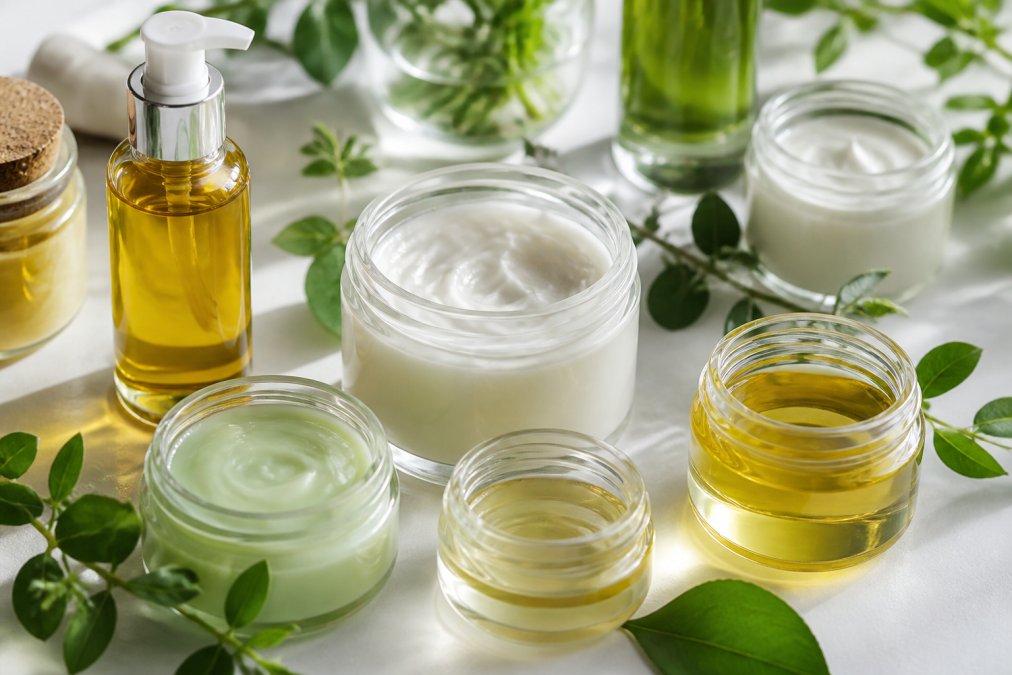
Silvan Skincare: Aroma-Free Formulations
Silvan Skincare specialises in products that work for hypersensitive skin by removing the most common irritant: fragrance. Their aroma-free range uses organic apricot, jojoba, and calendula, ingredients chosen for their soothing properties, not their scent.
The Pure Face Cream (£22.00) contains organic apricot, jojoba, calendula, and vitamin E. It's certified cruelty-free and vegan, with no parabens, silicones, or synthetic fragrances. For skin that reacts to essential oils, this is a practical solution. You apply it as a moisturiser and makeup base, pressing gently after cleansing.

The Soothe Face Cream (£24.00) adds rosehip oil and everlasting flower to the mix. Rosehip oil is rich in vitamin A, which supports skin repair and helps reduce fine lines (peer-reviewed research). This cream works for normal and sensitive skin alike, though it does contain essential oils, so it's less suitable if fragrance itself triggers reactions.
For extra sensitivity, the Extra Gentle Face Oil (£26.00) is aroma-free and combines apricot, hemp, calendula, and evening primrose. The oil absorbs easily without leaving residue, so it works as a nighttime treatment or under a moisturiser in the morning.
Silvan products come in recyclable glass containers with aluminium lids.
::tip If you're sensitive to essential oils, start with Silvan's aroma-free range. Many people assume all natural skincare is scented, Silvan proves otherwise. :::
Apis Natural Cosmetics: Redness-Reducing Specialists
Apis focuses on skin prone to redness and rosacea, using targeted ingredients like Agascalm™, azelaic acid, and Chaga mushroom extract. These aren't random botanicals, they're chosen for specific anti-inflammatory action.
The Himalayan Water Micellar Cleansing Foam (£9.56) uses ultra-pure Himalayan spring water and ashwagandha extract to cleanse without stripping. Micelles remove impurities and makeup while preserving the skin barrier (peer-reviewed research). This is your gentle first step if you're moving away from harsh cleansers.
The Rosacea-Stop Soothing Facial Cleansing Gel (£9.45) is designed for sensitive and couperose-prone skin. It contains Agascalm™, which reduces prolonged blood vessel dilation, and D-panthenol for anti-inflammatory care. Use this if redness and irritation are your primary concerns.
For targeted treatment, the Rosacea-Stop Redness-Reducing Serum (£12.91) combines Chaga mushroom extract, Agascalm™, red coral algae, and arnica. Chaga provides antioxidant and anti-inflammatory effects. Apply this before your moisturiser for concentrated care.
At night, the Rosacea-Stop Soothing Night Cream (£12.90) works as an intensive treatment. It contains azelaic acid, Agascalm™, Chaga mushroom, and passion fruit oil. The formula reduces skin temperature, soothes redness, and restores even tone by morning.
Lyonsleaf: Handmade Natural Balms
Lyonsleaf takes a minimalist approach. Their Unfragranced Beauty Balm (£17.50) is 100% natural and fragrance-free, made from over 95% tropical oils with no preservatives, emulsifiers, or artificial chemicals. It's a one-product solution for cleansing, makeup removal, and moisturising.
The oil-cleansing method works on the principle that like dissolves like (peer-reviewed research). Your skin's natural sebum dissolves dirty sebum, allowing you to gently wipe away impurities without disruption.
The balm is water-free, so you need only a tiny amount. It glides on, absorbs easily, and covers a large area. Use it as a primer before makeup or under mineral sunscreen.
Lyonsleaf products are handmade in the UK using organic herbs. The packaging is 100% recyclable, glass jar, metal lid, and biodegradable postal packaging.
Farmacy: Fragrance-Free Cleansing
Farmacy's Green Clean Sensitive Skin Makeup Remover Balm (£32.27) is a dual-action formula designed specifically for sensitive skin. It removes waterproof makeup and SPF without fragrance or irritation.
The balm visually transforms into a milky emulsion when you add warm water, helping lift makeup without stripping. Plant-powered greens include upcycled moringa, holy basil, and rocket for antioxidant support. Papaya extract lifts dirt and impurities, while sunflower oil provides lightweight nourishment.
Massage it onto dry skin to dissolve makeup, add warm water to emulsify, then rinse or wipe with a damp cloth. Follow with your preferred cleanser for a double cleanse. The 30ml compact jar makes it travel-friendly.
How to Choose Natural Skincare for Sensitive Skin
Choosing natural skincare for sensitive skin means prioritising ingredient transparency and formulation intent over marketing claims. Here's what actually matters.

Read the full ingredient list, not just the hero ingredients. Natural doesn't mean safe for your skin. Some botanical extracts trigger reactions in sensitive individuals. Look for products that list what they exclude, no parabens, no synthetic fragrances, no sulphates, because that transparency signals the brand understands sensitivity.
Start with one new product at a time. Introduce a new item every 7-10 days. This way, if irritation occurs, you know which product caused it. Sensitive skin needs a gradual transition, not an overhaul.
Patch test before full application. Apply a small amount to your inner arm or behind your ear. Wait 24 hours. If no reaction occurs, you can cautiously introduce it to your face.
Avoid essential oils if fragrance triggers you. Many natural brands use essential oils as their fragrance source. Essential oils are natural, yes, but they're also volatile compounds that can irritate reactive skin. Aroma-free options exist; use them if you're uncertain.
Look for barrier-supporting ingredients. Ceramides, hyaluronic acid, and plant oils like jojoba help seal moisture and strengthen the skin barrier. A compromised barrier is often what makes skin sensitive in the first place.
Check for third-party certifications. Look for Leaping Bunny (cruelty-free), Vegan Society registration, or similar marks. These indicate the brand has submitted to external verification, not just self-declared claims.
| Criteria | What to Look For | Why It Matters |
|---|---|---|
| Fragrance | Aroma-free or essential oils only | Synthetic fragrances are common irritants |
| Preservatives | Gentle options like benzyl alcohol | Harsh preservatives can trigger reactions |
| Emulsifiers | Minimal or plant-based | Some emulsifiers disrupt the skin barrier |
| Certifications | Leaping Bunny, Vegan Society | Third-party verification beats self-claims |
| Packaging | Glass or metal | Protects ingredient integrity |
Skincare Routine for Sensitive Skin
A routine for sensitive skin is shorter and more intentional than the average regimen. Fewer products mean fewer opportunities for irritation and a clearer picture of what works.
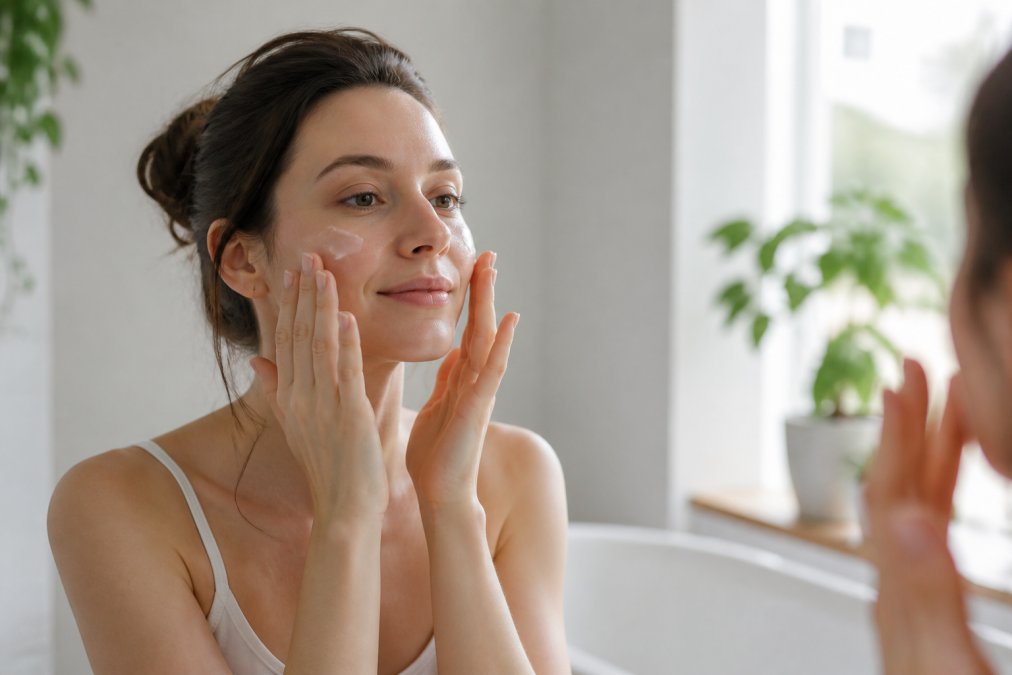
Morning routine:
Start with a gentle cleanser. The Himalayan Water Micellar Cleansing Foam removes overnight oil and impurities without disrupting your barrier. Follow with a hydrating toner if your skin feels tight, though many people with sensitivity skip this step.
Apply a lightweight moisturiser. The Pure Face Cream or Rosehip and Camellia Sensitive Skin Moisturiser (£33.99) work well here. Press gently onto damp skin, this helps lock in hydration. If your skin is very dry, layer a facial oil underneath.
Finish with SPF if you're going outside. This is non-negotiable for sensitive skin, which often shows sun damage more visibly.
Evening routine:
Cleanse with the Green Clean Sensitive Skin Makeup Remover Balm or Unfragranced Beauty Balm to remove makeup and SPF. Add warm water to emulsify, then rinse thoroughly.
Follow with a gentle second cleanser if you wear heavy makeup, or skip to your treatment step.
Apply a serum if needed. The Rosacea-Stop Redness-Reducing Serum targets inflammation. Otherwise, move to your moisturiser.
Apply a richer night cream. The Rosacea-Stop Soothing Night Cream or Extra Gentle Face Oil provides intensive hydration while you sleep. Night is when skin repairs itself, so this is your opportunity for deeper nourishment.
Weekly additions:
Avoid harsh exfoliants. If your skin tolerates gentle exfoliation, use a soft konjac sponge or a very mild enzyme exfoliant once weekly. Most sensitive skin does better without active exfoliation.
Skip masks unless they're hydrating. Clay masks, peel-off masks, and other intensive treatments often irritate sensitive skin. Hydrating sheet masks are safer if you want the ritual.
Common Mistakes When Switching to Natural Skincare
Transitioning to natural skincare for sensitive skin often triggers temporary worsening before improvement. Understanding why prevents you from abandoning the process too early.
Expecting immediate results. Your skin has adapted to whatever you were using before. Natural products work differently. Give your skin 4-6 weeks to adjust. During this time, you might experience mild breakouts or dryness as your skin rebalances. This is normal and temporary.
Confusing purging with irritation. Purging is when your skin brings congestion to the surface as it heals. Irritation is persistent redness, stinging, or burning. If you feel genuine irritation, stop and simplify. If you see small breakouts that resolve within a week, that's likely purging.
Using too much product. Natural oils and concentrates are potent. A pea-sized amount of cream or a few drops of oil is often enough. More doesn't mean better, it means wasted product and potential congestion.
Forgetting about hydration underneath. Many people switch to natural skincare and skip hydrating steps. Natural moisturisers work best when applied to damp skin. Cleanse, pat skin almost dry (leave it slightly damp), then apply your moisturiser. This traps water in the skin.
Ignoring sun protection. Natural skincare supports skin health, but unprotected sun exposure undoes that work. SPF is non-negotiable, even on cloudy days.
Switching everything at once. If you introduce five new products simultaneously and your skin reacts, you won't know which one caused it. Replace one product every 7-10 days.
Finding ecco verde alternatives for sensitive skin means choosing brands that treat sensitivity as a priority, not an exception. Silvan Skincare, Apis Natural Cosmetics, Lyonsleaf, and Farmacy each bring a different strength, whether that's fragrance-free formulations, redness-reducing science, minimalist philosophy, or dual-action cleansing.
At Luxe Beauty Hub, we stock these brands because they deliver on their promises. The Rosehip and Camellia Sensitive Skin Moisturiser, Pure Face Cream, and Unfragranced Beauty Balm are customer favourites precisely because they work without compromise. Start with a gentle cleanser, add a hydrating moisturiser, and give your skin time to adjust. Your barrier will thank you.

Shop sensitive skin essentials and discover the difference that intentional formulation makes.
Frequently Asked Questions
Q: What ingredients should sensitive skin avoid in natural cosmetics?
A: Sensitive skin reacts poorly to synthetic fragrances, essential oils, parabens, sulphates, and artificial dyes. Look for products labelled 'fragrance-free' or 'aroma-free' instead. Natural doesn't automatically mean gentle; calendula, arnica, and botanical oils are soothing, but even these can irritate if your skin barrier is compromised. Avoid products listing alcohol denat, formaldehyde releasers, or strong preservatives. Always patch-test new products on a small area first, even if they're certified organic or cruelty-free.
Q: How do I identify truly natural beauty products for sensitive skin?
A: Check for third-party certifications like Leaping Bunny (cruelty-free) or Vegan Society registration. Read ingredient lists carefully; shorter lists with recognisable plant names are usually safer than long chemical-sounding names. Avoid greenwashing by verifying claims, brands should specify what 'natural' means. Look for products formulated without synthetic fragrance, paraben-free, and free from common irritants. Silvan Skincare and Lyonsleaf clearly state their aroma-free or minimal-scent options, making it easier to identify products designed for reactive skin.
Q: Are there UK-based alternatives to international natural beauty retailers?
A: Yes. Lyonsleaf products are handmade in the UK using organic herbs. Silvan Skincare offers aroma-free and vegan formulations without synthetic fragrances. Apis Natural Cosmetics UK specialises in redness-reducing formulas with ingredients like Agascalm and red coral algae. Luxe Beauty Hub curates these brands alongside others, offering a UK-based platform where you can access premium natural skincare without relying solely on international retailers. Many of these brands prioritise sustainable packaging and local production.
Q: What makes Luxe Beauty Hub different from Ecco Verde for sensitive skin?
A: Luxe Beauty Hub curates a carefully selected range specifically for sensitive, blemish-prone, and reactive skin types. The platform features award-winning products like the Rosehip and Camellia Sensitive Skin Moisturiser (£33.99) and Unfragranced Beauty Balm (£17.50), both formulated without artificial fragrances or harsh chemicals. Unlike broader natural retailers, Luxe Beauty Hub prioritises deep hydration, gentle care, and natural anti-ageing solutions. Products are vetted for purity, with transparent ingredient lists and certifications. The brand voice is intentional and caring, reflecting a luxury approach to wellness rather than a generic marketplace model.
Q: How can I verify the authenticity of organic beauty brands online?
A: Check for certifications from recognised bodies: Leaping Bunny for cruelty-free, Vegan Society registration, and organic certifications from accredited organisations. Visit the brand's official website to confirm product details match what's listed on retailers. Read customer reviews on multiple platforms, not just the brand site. Brands like Apis Natural Cosmetics and Silvan Skincare publish detailed ingredient lists and explain the function of each component. Authentic brands are transparent about sourcing, manufacturing location, and testing. If a product claims to be 'all-natural' but lists no certifications or detailed ingredient information, that's a red flag.


