


Table of Contents
- Why Natural Anti-Ageing Foods Matter for Your Skin
- Berries: Antioxidant Powerhouses for Skin Defence
- Fatty Fish: Omega-3s for Skin Elasticity and Hydration
- Collagen-Boosting Foods: Bone Broth, Citrus, and Leafy Greens
- Avocados and Nuts: Healthy Fats for Skin Barrier Strength
- How to Improve Skin Texture Naturally Through Nutrition
- Pairing Nutrition with Targeted Skincare for Best Results
- Frequently Asked Questions
Last Updated: August 28, 2026
Why Natural Anti-Ageing Foods Matter for Your Skin
The foods you eat shape how your skin ages. This isn't just wellness philosophy, it's biology. Your skin cells regenerate constantly, and they need the right raw materials to do it well. When you feed your body nutrient-dense foods rich in antioxidants, healthy fats, and collagen-supporting compounds, you're literally building firmer, more radiant skin from within.
At Luxe Beauty Hub, we believe that true anti-ageing starts at the table. Topical skincare can only do so much. The most visible improvements come when you combine targeted nutrition with quality skincare products that work in tandem with your body's natural renewal processes.
What makes certain foods genuinely anti-ageing? They contain compounds that fight oxidative stress (the primary driver of visible ageing), support collagen production, maintain skin hydration, and protect against environmental damage. The foods we've highlighted below deliver these benefits more effectively than others.
Berries: Antioxidant Powerhouses for Skin Defence
Berries are among the most potent natural anti-ageing foods available. They're loaded with anthocyanins and polyphenols, antioxidants that neutralise free radicals before they damage collagen and elastin fibres.
Blueberries, raspberries, and strawberries all contain resveratrol, a compound that activates pathways associated with cellular longevity (peer-reviewed research). When you eat berries regularly, you're providing your skin with direct defence against UV damage and environmental pollution. This reduces visible inflammation and helps maintain skin clarity.
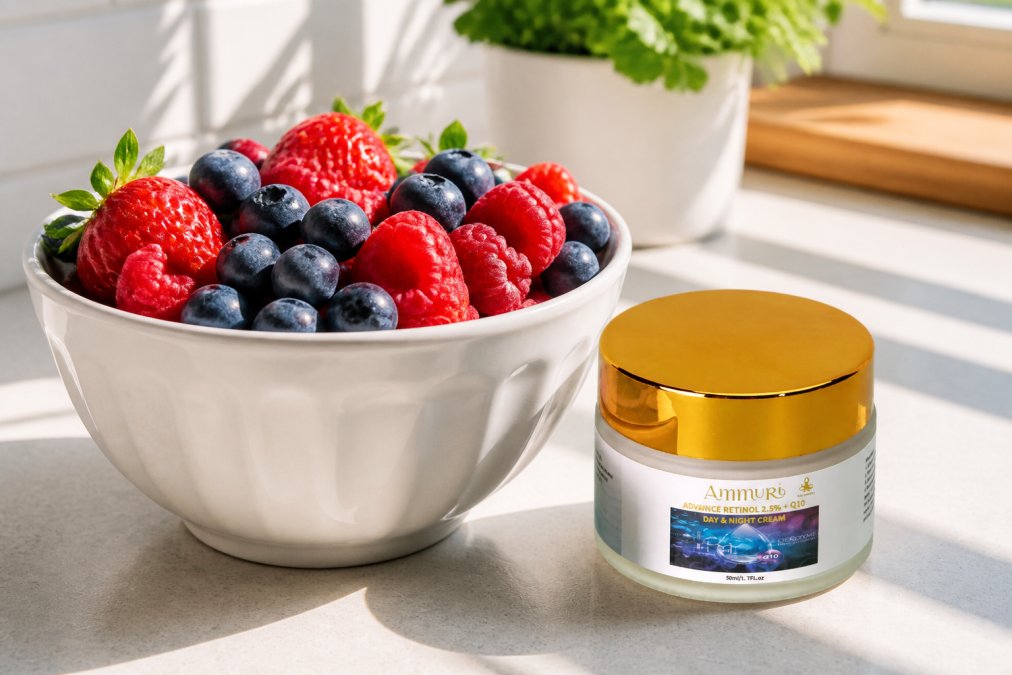
The beauty of berries is their versatility. A handful with breakfast, blended into smoothies, or added to salads, consistency matters more than quantity.
Fatty Fish: Omega-3s for Skin Elasticity and Hydration
Salmon, mackerel, and sardines contain high concentrations of omega-3 fatty acids, essential nutrients your skin cannot produce on its own. These fats are structural components of cell membranes, meaning they directly influence how well your skin holds moisture and maintains firmness.
Omega-3s reduce inflammatory markers linked to ageing skin. They support the skin barrier, which naturally weakens with age. A compromised barrier leads to water loss, dullness, and accelerated fine line formation. When you consume omega-3 rich fish 2-3 times weekly, you're actively strengthening this critical barrier from the inside (the NIH).
The anti-ageing benefit extends beyond hydration. Omega-3s support blood flow to the skin, ensuring nutrients reach skin cells efficiently. This improved circulation contributes to a natural glow that no topical product alone can replicate.
Collagen-Boosting Foods: Bone Broth, Citrus, and Leafy Greens
This section requires a nuanced approach because collagen itself doesn't transfer directly from food to skin. However, certain foods provide the amino acids and cofactors your body needs to synthesise its own collagen, which is far more effective.
Bone broth contains collagen peptides and amino acids (glycine, proline, hydroxyproline) that your digestive system breaks down and uses to rebuild connective tissue. Leafy greens like spinach and kale provide vitamin C, essential for collagen cross-linking, the process that gives collagen its strength and structure (peer-reviewed research). Citrus fruits (oranges, lemons, limes) deliver concentrated vitamin C in easily absorbable form.
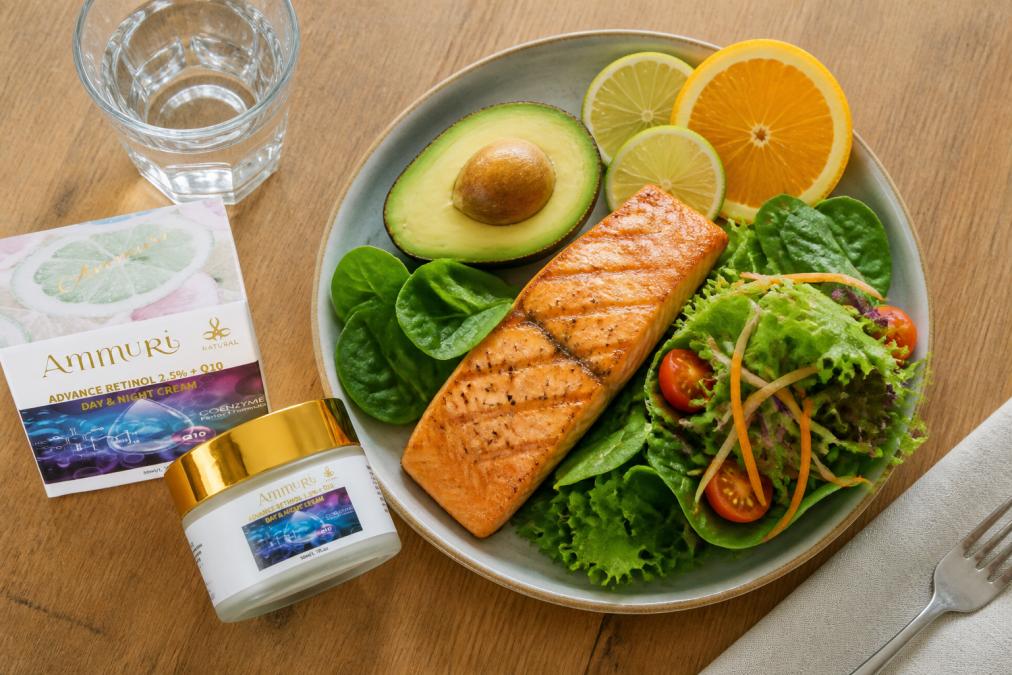
The synergy matters. Vitamin C without amino acids is incomplete; amino acids without vitamin C can't form stable collagen. This is why a varied diet outperforms isolated supplements. When you combine bone broth with a citrus-rich salad loaded with greens, you're providing everything your body needs for active collagen synthesis.
Consistency here is key. Aim for bone broth 3-4 times weekly and vitamin C-rich foods daily. Results typically emerge over 8-12 weeks as your body rebuilds collagen reserves.
Avocados and Nuts: Healthy Fats for Skin Barrier Strength
Avocados and nuts (almonds, walnuts, macadamia) contain monounsaturated and polyunsaturated fats that directly nourish skin from within. These fats are absorbed into cell membranes, improving membrane fluidity and barrier function.
Vitamin E, abundant in both avocados and nuts, works synergistically with vitamin C to protect skin against oxidative damage. Walnuts specifically contain omega-3 alpha-linolenic acid, which reduces inflammatory markers associated with ageing skin conditions.
The practical advantage: these foods are nutrient-dense and convenient. A handful of nuts or half an avocado provides sustained skin support without requiring preparation.
How to Improve Skin Texture Naturally Through Nutrition
Skin texture improves when three conditions align: consistent nutrient intake, adequate hydration, and time for cellular renewal. Meaningful texture improvement typically requires 12+ weeks of sustained dietary changes.
Start by identifying which natural anti-ageing foods you'll actually eat consistently. There's no point planning a bone broth regimen if you dislike the taste. Choose foods you genuinely enjoy from each category, berries, fatty fish, collagen-supporting vegetables, and healthy fats.
Hydration amplifies everything. Nutrients are transported through your bloodstream in water; without adequate fluid intake, even excellent nutrition delivers suboptimal results. Aim for 2-3 litres daily, adjusted for activity level and climate.
The texture changes you'll notice: finer pores, smoother surface, improved radiance, and reduced visibility of fine lines. These emerge gradually. Week 4-6 brings initial improvements; week 12+ shows sustained, visible changes.
Patience is the overlooked ingredient. Your skin regenerates on a roughly 28-day cycle. True anti-ageing through nutrition requires at least 3-4 cycles of consistent input before results stabilize.
Pairing Nutrition with Targeted Skincare for Best Results
Natural anti-ageing foods work best alongside skincare products formulated to support your body's efforts. Here's the reality: nutrition addresses ageing from within; topical products address it from without. Together, they're exponentially more effective than either alone.
Retinol-based serums accelerate cell turnover, working synergistically with the collagen-boosting foods you're consuming. When your body is actively synthesising collagen (thanks to your diet) and your skin is being encouraged to shed dead cells faster (thanks to retinol), the cumulative effect is visible firmer, smoother skin.
The Ammuri Advanced Retinol 2.5% + Q10 Anti-Ageing Cream pairs perfectly with this nutritional approach. The retinol accelerates renewal while CoQ10 replenishes skin's natural energy, exactly what your nutrient-rich diet is supporting internally. Applied consistently 2-3 evenings weekly alongside your improved diet, results compound.

For those further along their anti-ageing journey, the Ammuri Retinol Serum 5% Apple Stem Cell offers intensive support. Apple Stem Cell technology works to support skin's resilience whilst high-strength retinol drives visible renewal. This is where internal nutrition meets external science.

Antioxidant-rich moisturisers like the Green Caviar & Argan Oil Anti-Oxidant Anti-Ageing Night Cream complement your berry consumption by providing additional antioxidant support whilst you sleep. The green caviar extract delivers amino acids; the argan oil provides essential fatty acids your skin barrier needs.

The sequence matters. Morning: natural anti-ageing foods + SPF protection. Evening: nutrient-rich foods + targeted retinol + nourishing moisturiser. Over 12 weeks, this combination produces visible improvements in skin firmness, texture, and radiance that neither nutrition nor skincare alone can achieve.
| Approach | Timeline | Visible Results | Best For |
|---|---|---|---|
| Natural anti-ageing foods alone | 12+ weeks | Gradual radiance, improved hydration | Prevention, maintenance |
| Retinol skincare alone | 8-12 weeks | Smoother texture, reduced fine lines | Active ageing concerns |
| Combined nutrition + retinol | 8-12 weeks | Accelerated firmness, dramatic texture improvement | Maximum visible anti-ageing |
| Nutrition + retinol + antioxidant support | 6-8 weeks | Comprehensive visible improvement | Serious anti-ageing commitment |
True skin transformation comes from consistency across multiple fronts. Natural anti-ageing foods are the foundation, they provide the building blocks your skin needs. Targeted skincare products like those from Luxe Beauty Hub accelerate the process by supporting your body's own renewal mechanisms. Together, they deliver visible improvements that feel earned because they are: your skin is genuinely becoming healthier and more resilient, not just appearing temporarily plumper or brighter. Start with the foods you'll actually eat, add a retinol product suited to your experience level, and commit to 12 weeks. The results will speak for themselves.
Frequently Asked Questions
Which foods are best for natural anti-ageing?
Berries, fatty fish rich in omega-3s, bone broth, citrus fruits, leafy greens, avocados, and nuts are among the most effective natural anti-ageing foods. These contain antioxidants, collagen-supporting amino acids, and healthy fats that nourish skin from within. Consistency matters more than perfection, incorporating these foods regularly into your diet supports visible improvements in skin texture and radiance over time.
Can diet really help reduce the appearance of fine lines?
Yes. Nutrients like vitamin C (from citrus and leafy greens), omega-3 fatty acids (from fish), and antioxidants (from berries) support collagen production and protect skin from oxidative stress, both key factors in maintaining skin elasticity. Pairing dietary improvements with targeted products like retinol serums can accelerate visible results.
What are the best antioxidants for skin health?
Anthocyanins (in blueberries and blackberries), polyphenols (in green tea and dark chocolate), and vitamin E (in nuts and seeds) are among the most potent antioxidants for skin. These neutralise free radicals that accelerate ageing. Berries deliver multiple antioxidants in a single serving, making them one of the most efficient choices. Combining dietary antioxidants with topical antioxidant products like vitamin C serums provides comprehensive protection.
Are there specific foods that help with collagen production?
Bone broth, citrus fruits, leafy greens, and fish support collagen synthesis through amino acids (glycine, proline) and vitamin C. Bone broth provides collagen directly; citrus and greens supply vitamin C needed to stabilise and cross-link collagen fibres. Consuming these foods regularly, alongside topical collagen-supporting products like retinol, creates a comprehensive approach to maintaining skin firmness and elasticity.
How does nutrition impact skin elasticity as we age?
Collagen and elastin naturally decline with age, but omega-3 fatty acids, antioxidants, and amino acids slow this process by reducing inflammation and supporting protein synthesis. Healthy fats from avocados and fish strengthen the skin barrier, improving hydration and plumpness. Combined with sun protection and targeted skincare, such as retinol creams or serums, good nutrition helps maintain visibly firmer, more resilient skin over time.


