


Table of Contents
- Why Natural Skincare Labels Matter
- How to Spot Greenwashing in Beauty
- What to Look for on the Ingredient List
- Skincare Ingredient Purity Check
- Certifications That Prove Authenticity
- Natural Alternatives for Anti-Ageing
- How to Verify Purity Before You Buy
- Frequently Asked Questions
Why Natural Skincare Labels Matter
Finding truly natural skincare requires more than reading the front of a jar. Brands use language strategically, terms like "natural," "clean," and "pure" aren't always regulated the way you'd expect. The difference between a product that genuinely contains natural ingredients and one that's mostly synthetic with a handful of botanical extracts can be substantial, especially if you have sensitive skin or are trying to avoid specific chemicals.
At Luxe Beauty Hub, we understand that discerning consumers need clarity. The skincare industry isn't transparent by default. Manufacturers aren't required to disclose every ingredient prominently, and marketing departments know this. A jar labelled "natural" might contain only 5% botanical content, with the rest being preservatives, emulsifiers, and fillers. Understanding how to read beyond the marketing is essential.
Your skin is your body's largest organ. What you apply to it matters. If you're investing in skincare, whether for anti-ageing, hydration, or managing blemish-prone skin, you deserve to know exactly what you're buying. This guide shows you how to identify truly natural skincare by reading labels properly, spotting greenwashing tactics, and verifying authenticity before you purchase.
How to Spot Greenwashing in Beauty
Greenwashing in beauty is rampant. Brands use imagery, colour schemes, and language designed to suggest naturalness without actually delivering it. A bottle with leaf graphics and earthy tones doesn't guarantee natural ingredients. Neither does a price tag that's higher than conventional products.
Common greenwashing tactics include:
- Vague terminology: Words like "natural extract," "herbal blend," or "plant-derived" sound botanical but reveal nothing about concentration or processing. A product can contain 1% of a natural extract and still claim it.
- Selective ingredient highlighting: A brand might emphasise one natural ingredient on the front while burying synthetic actives in the fine print.
- "Clean" branding without certification: The term "clean beauty" has no legal definition. Any brand can use it. Without third-party certification, it's just marketing language.
- Misleading imagery: Pictures of flowers, botanicals, or natural landscapes on packaging create an impression of purity that the actual formula may not deliver.
- Price inflation: Higher cost doesn't equal higher quality or greater naturalness. Some premium brands charge more for packaging and marketing than for superior ingredients.
The real test is the ingredient list. If a brand won't show you what's actually in the product, that's a red flag. Transparency is the opposite of greenwashing.
What to Look for on the Ingredient List
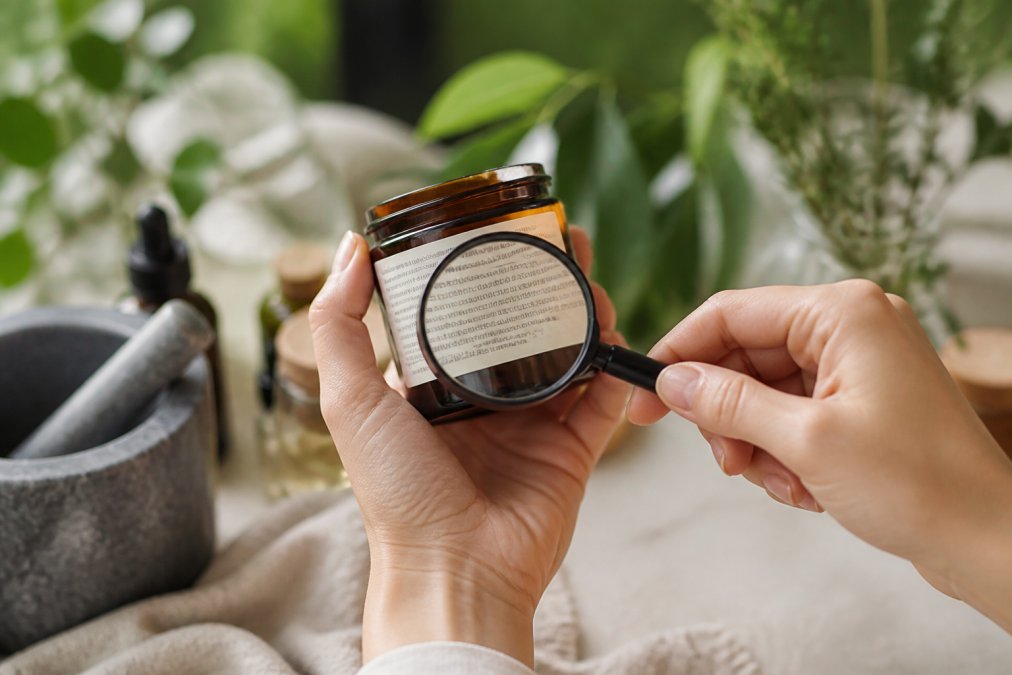
The ingredient list is your most reliable tool for identifying truly natural skincare. In the UK and EU, cosmetics regulations require ingredients to be listed in descending order by weight (europa.eu). The first few ingredients make up the bulk of the formula.
The INCI Name System Explained
INCI (International Nomenclature of Cosmetic Ingredients) is the standardised naming system used on all cosmetic labels. It's the same across countries, which makes it easier to identify ingredients regardless of marketing claims. Every ingredient, whether natural or synthetic, has an INCI name.
Natural ingredients often have Latin botanical names. For example, Olea Europaea Oil is olive oil, Rosa Damascena Flower Oil is rose oil, and Calendula Officinalis Extract is calendula. Synthetic ingredients have chemical names that are usually harder to pronounce: phenoxyethanol, methylisothiazolinone, or butylated hydroxytoluene (BHT).
The INCI list doesn't distinguish between natural and synthetic versions of the same ingredient. Glycerin can be derived from plants or synthesised from petroleum. Both appear as "Glycerin" on the label. This is why you need additional verification methods.
Red Flag Ingredients to Avoid
If you're seeking truly natural skincare, certain ingredients signal that the product is synthetic-heavy:
- Parabens (methylparaben, propylparaben, butylparaben): Synthetic preservatives linked to endocrine concerns. Many natural brands exclude them entirely.
- Phthalates: Plasticisers used in fragrances. They're not always listed separately, they can hide under "fragrance" or "parfum."
- Silicones (dimethicone, cyclomethicone): Synthetic polymers that coat the skin. They feel smooth but don't hydrate or nourish.
- Sulphates (sodium lauryl sulphate, sodium laureth sulphate): Harsh detergents that strip natural oils. Common in conventional shampoos and cleansers.
- Synthetic fragrances: "Fragrance" or "parfum" on the label can contain dozens of undisclosed chemicals. Natural skincare uses essential oils or botanical extracts instead.
- Mineral oil and petrolatum: Petroleum-derived occlusive agents. They don't absorb into skin and can clog pores.
- Synthetic dyes: Ingredients like CI 42090 (synthetic blue) or FD&C Yellow No. 5 are artificial colours with no skincare benefit.
None of these ingredients are inherently "dangerous," but they're not natural. If naturalness is your goal, avoiding them is the point.
Skincare Ingredient Purity Check
Once you've identified the main ingredients, verify their purity. Natural ingredients can be processed in ways that reduce their benefit or introduce contaminants.
Ask yourself these questions:
- Is the ingredient organic? Organic certification means it was grown without synthetic pesticides or fertilisers. Look for "certified organic" on the label or in the ingredient description.
- Is it cold-pressed or minimally processed? Oils that are cold-pressed retain more nutrients than those extracted with heat or solvents. Look for terms like "cold-pressed," "unrefined," or "first-pressed."
- Is it the whole plant or an extract? Whole plant oils (like rosehip or jojoba) contain the full spectrum of beneficial compounds. Extracts are concentrated but may lose some nutrients in processing.
- Does the brand disclose sourcing? Reputable brands tell you where ingredients come from. Single-origin ingredients are often higher quality than blended sources.
For anti-ageing specifically, natural alternatives like plant retinol, bakuchiol, and rosehip seed oil offer benefits without synthetic retinoids. Deep hydration comes from ingredients like plant ceramides, hyaluronic acid (which can be naturally derived), and botanical oils rich in omega fatty acids.
Certifications That Prove Authenticity
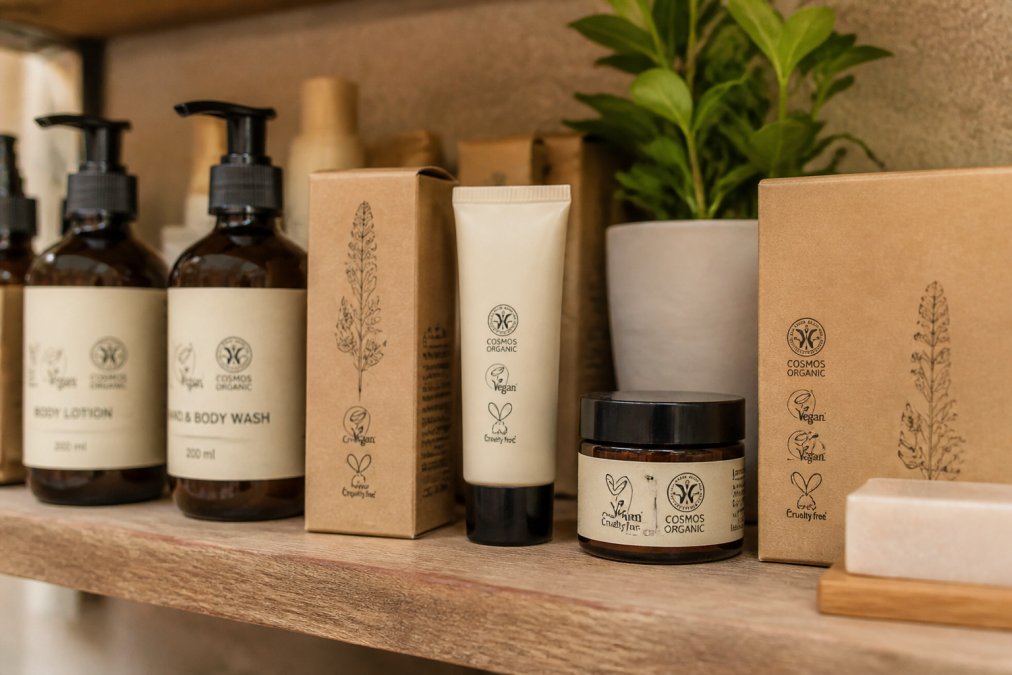
Third-party certifications are your strongest verification tool. A brand that submits to independent auditing has something to prove. Look for these certifications:
- COSMOS Organic: The gold standard in Europe. Products must be at least 95% natural, with strict limits on synthetic ingredients. It covers sourcing, processing, and environmental impact.
- Ecocert: French certification requiring a minimum of 95% natural ingredients for body care products. It also verifies sustainable sourcing.
- Soil Association Organic: UK-based certification. Products must meet strict organic standards and be free from synthetic pesticides and GMOs.
- Leaping Bunny: Cruelty-free certification. It doesn't guarantee naturalness but indicates the brand aligns with ethical values.
- BDIH (Bundesverband der Industrie- und Handelsunternehmen): German standard requiring natural ingredients and prohibiting synthetic fragrances and preservatives.
These certifications require independent testing and regular audits. If a brand displays them, it's undergone verification. Conversely, if a brand claims to be natural but has no certifications, ask why.
Natural Alternatives for Anti-Ageing
Natural skincare can address ageing concerns effectively. The key is choosing ingredients with proven efficacy.
Bakuchiol is a plant-derived retinol alternative from the babchi plant (peer-reviewed research). It stimulates collagen production and reduces fine lines without the irritation or photosensitivity of synthetic retinoids. It's suitable for sensitive skin.
Rosehip seed oil contains vitamin A (as retinol), vitamin C, and essential fatty acids. It improves skin texture, reduces hyperpigmentation, and supports collagen synthesis. It's gentler than prescription retinoids.
Plant ceramides from sources like sunflower or safflower oil strengthen the skin barrier. A compromised barrier ages skin faster. Ceramides restore hydration and elasticity.
Peptides from plant sources (like soy or wheat) signal skin cells to produce more collagen. They're naturally derived alternatives to synthetic peptide complexes.
Vitamin C from kakadu plum or rosehip brightens skin and boosts collagen. Natural sources are less stable than synthetic L-ascorbic acid but more gentle.
These ingredients work best in formulas designed for absorption. A product claiming to use natural anti-ageing ingredients but using poor-quality bases or emulsifiers will underperform.
How to Verify Purity Before You Buy
Before purchasing, take these steps:
- Request the full ingredient list: If a brand doesn't provide it online, email them. Transparency is non-negotiable.
- Check INCI names: Cross-reference each ingredient using a cosmetic ingredient database like INCIDecoder or the EWG Skin Deep database. This tells you whether it's natural or synthetic.
- Verify certifications: Visit the certifying body's website and search the brand name. Fraudulent certifications are rare but they exist.
- Read reviews from verified purchasers: Look for feedback from people with your skin type. Someone with sensitive skin using a product successfully is more reliable than marketing claims.
- Start with a patch test: Even natural ingredients can cause reactions. Test on a small area first, especially if your skin is reactive or you're switching from conventional products.
- Check the batch code: Most natural products have shorter shelf lives than synthetic ones. A recent batch code indicates fresher ingredients.
Luxe Beauty Hub curates products with rigorous ingredient standards. Our selection includes award-winning formulas like the Lyonsleaf Natural Beauty Balm, which combines organic plant oils with essential oils and natural beeswax, ingredients you can verify and trust. For sensitive skin, the Unfragranced Beauty Balm removes essential oils while maintaining purity. For babies and delicate skin, the Pure Baby Balm uses only three ingredients: organic shea butter, organic sunflower oil, and natural vitamin E.


Identifying truly natural skincare isn't complicated once you know what to look for. The ingredient list, certifications, and brand transparency are your tools. Greenwashing thrives on confusion, but armed with knowledge of INCI names, red flag ingredients, and verification methods, you can make informed choices. Your skin deserves formulas crafted with intention, not marketing spin.
Explore Luxe Beauty Hub's carefully selected range of natural skincare, haircare, and baby essentials. Each product is chosen for ingredient purity and proven efficacy. Discover award-winning formulas designed to deliver deep hydration, natural anti-ageing benefits, and gentle care for blemish-prone skin, without compromise.
Frequently Asked Questions
Q: What is the difference between natural, organic, and clean skincare?
A: Natural skincare contains ingredients derived from nature, but the term is largely unregulated. Organic skincare must meet specific agricultural standards for how ingredients are grown and processed, typically verified by third-party certification bodies. Clean skincare refers to products formulated without certain synthetic chemicals, preservatives, or controversial ingredients. A product can be natural without being organic, and organic without being clean. When identifying truly natural skincare, look for products that combine all three qualities alongside transparent labelling and third-party verification.
Q: How can I spot greenwashing on skincare labels?
A: Greenwashing occurs when brands use vague terms like 'natural', 'pure', or 'eco-friendly' without substantiation. Watch for packaging that emphasises nature imagery or green colours whilst hiding synthetic ingredients in small print. Genuine natural skincare brands list ingredients transparently, explain their sourcing practices, and hold certifications from recognised bodies. Avoid products that claim to be '100% natural' but contain synthetic preservatives or fragrance compounds listed only as 'fragrance' or 'parfum'. Brands committed to truly natural skincare are happy to explain every ingredient and its purpose.
Q: Are there specific certifications to look for on natural skincare products?
A: Yes. In the UK and Europe, look for COSMOS Organic, ECOCERT, or BDIH certifications, which verify that products meet strict standards for natural and organic ingredients. The Soil Association Organic Standard is another trusted UK-based certification. These bodies audit sourcing, manufacturing, and labelling to prevent greenwashing. Vegan Society certification confirms no animal-derived ingredients or testing. Products carrying these badges have undergone independent verification, giving you confidence that 'natural' claims are genuine. Brands without any third-party certification may still produce quality skincare, but certifications provide an objective standard.
Q: Why is the term 'natural' unregulated in the beauty industry?
A: The term 'natural' has no legal definition in cosmetics regulation. Unlike food or pharmaceuticals, beauty products are not required to prove their claims or meet minimum thresholds for natural content. This freedom allows brands to label products as 'natural' with minimal oversight, creating space for greenwashing. The Cosmetic Products Regulations 2013 govern safety and ingredient restrictions, but not naturalness claims. This is why identifying truly natural skincare requires reading ingredient lists, checking certifications, and researching brand transparency rather than relying on marketing language alone. Reputable brands voluntarily adopt certification standards to fill this regulatory gap.


