


Table of Contents
- What Clean Beauty Really Means for Blemish-Prone Skin
- Clean Beauty vs Clinical Skincare for Acne: How They Compare
- Why Non-Comedogenic Natural Skincare Matters More Than the Label
- Common Acne Triggers in Natural Products (and How to Spot Them)
- The Honest Pros and Cons of Going Clean for Acne
- A Simple Clean Routine for Acne-Prone Skin
- So, Is Clean Beauty Worth It for Acne-Prone Skin?
- Frequently Asked Questions
Last Updated: 13 September 2026
What Clean Beauty Really Means for Blemish-Prone Skin
Clean beauty is a skincare category built around avoiding a defined list of disputed synthetic ingredients, but it carries no single legal definition in the UK (gov.uk). That ambiguity matters enormously if you have acne-prone skin, because "clean" tells you what a product leaves out, not what it does for your breakouts. This guide from Luxe Beauty Hub cuts through the marketing to answer one question honestly: is clean beauty worth it for acne prone skin, or are you paying a premium for a label?
Here's the uncomfortable truth most clean beauty brands won't tell you. A product can be 100% natural and still clog your pores, trigger irritation, and make cystic acne worse. Coconut oil, a darling of the natural world, is one of the most reliably comedogenic ingredients you can put on blemish-prone skin. Meanwhile, a well-formulated product with a couple of lab-made ingredients might clear your skin faster than anything in the "clean" aisle.

So the label alone is worthless as a decision tool. What matters is whether a specific formula is non-comedogenic, whether its actives actually address acne, and whether it respects your skin barrier. Below, we'll show you exactly how to tell the difference, which natural ingredients genuinely help, and where clean beauty falls short.
Clean Beauty vs Clinical Skincare for Acne: How They Compare
Clinical skincare leans on proven actives like salicylic acid, benzoyl peroxide, and retinoids to treat acne; clean beauty leans on botanical ingredients and gentle formulations. Neither approach is automatically better, and the smartest routines borrow from both.
The two camps solve the same problem from opposite directions. Clinical products target the mechanics of acne: excess sebum, blocked pores, and the bacteria that inflame them. Clean beauty targets the skin's overall environment, aiming to calm, hydrate, and avoid the harsh stripping that pushes oil glands into overdrive.
Here's where the comparison gets interesting:
| Factor | Clean Beauty | Clinical Skincare |
|---|---|---|
| Primary approach | Gentle, botanical, barrier-friendly | Active-driven, targeted treatment |
| Typical actives | Tea tree, niacinamide, green tea, algae | Salicylic acid, benzoyl peroxide, retinoids |
| Speed of results | Slower, cumulative | Faster, sometimes within weeks |
| Irritation risk | Lower for most people | Higher, especially when overused |
| Best for | Sensitive, reactive, maintenance | Active breakouts, stubborn congestion |
A common mistake is treating this as a binary choice. In practice, the strongest routines use clinical-level actives where they're needed and clean, gentle formulas everywhere else.
Why Non-Comedogenic Natural Skincare Matters More Than the Label
Non-comedogenic natural skincare is any natural formula tested or formulated to avoid ingredients that block pores, and it matters far more than a clean beauty badge. "Natural" and "non-comedogenic" are not synonyms, and confusing them is how people end up with worse skin after going clean.
The word "natural" says nothing about pore behaviour. Many plant oils and butters are rich, heavy, and highly comedogenic. The clean beauty industry has quietly adopted the term "non-comedogenic" as a marketing claim, but there's no universal standard governing it, so you have to read the ingredient list yourself.
The ingredients that reliably clog acne-prone skin include coconut oil, cocoa butter, wheat germ oil, and certain algae extracts in heavy concentrations. The ones that generally don't include jojoba, rosehip, squalane, and lighter seed oils. This is why a "clean" product full of coconut derivatives can be a disaster for blemishes, while a thoughtfully formulated natural serum keeps pores clear.
If you take one thing from this section, make it this: scan for comedogenic oils before you scan for the clean beauty seal.
Common Acne Triggers in Natural Products (and How to Spot Them)
The most common acne triggers in natural products are heavy plant oils, added fragrance from essential oils, and alcohol-heavy botanical toners. A product can be entirely natural and still sabotage your skin through any of these three routes.
Fragrance is the sneaky one. Essential oils like lavender, citrus, and eucalyptus smell beautiful and appear in countless clean formulas, but they're among the most frequent causes of contact irritation (the NHS). For someone already dealing with inflamed acne, adding a sensitising essential oil is like pouring fuel on the fire.
Here's how to spot the troublemakers before you buy:
- Heavy oils: coconut, cocoa butter, wheat germ, and palm oil sit high on comedogenic scales
- Fragrant essential oils: citrus, lavender, and mint can irritate reactive skin
- Drying alcohols: denatured alcohol and some witch hazel preparations strip the barrier
- "Fragrance" or "parfum" on a clean label is a loophole, not a guarantee
The fix isn't to avoid all botanicals. It's to choose plant ingredients selected for blemish-prone skin, like tea tree, green tea, niacinamide, and algae, which calm and clarify rather than congest.
The Honest Pros and Cons of Going Clean for Acne
Going clean for acne brings real benefits and real limitations, and pretending otherwise does you no favours. The honest position is that clean beauty works brilliantly for some people and disappoints others, depending on what's actually in the bottle.
The genuine advantages are worth stating clearly. Gentle, non-stripping formulas support the skin barrier, which reduces the rebound oil production that harsh cleansers trigger. Fewer synthetic irritants mean less redness and reactivity for sensitive skin. And many people simply find clean routines more pleasant to stick with, which matters because consistency drives results more than any single ingredient.
The limitations are equally real. Clean beauty moves slower than clinical treatment, so severe or cystic acne usually needs a dermatologist's input rather than a botanical serum. Some "clean" formulas replace effective preservatives with weaker ones, creating stability and contamination risks (gov.uk). And the premium pricing doesn't always reflect better performance, only better marketing.
The verdict: clean beauty is a strong foundation for mild to moderate blemish-prone skin, but it's not a replacement for proper acne treatment when breakouts are stubborn or inflamed.
A Simple Clean Routine for Acne-Prone Skin
A workable clean routine for acne-prone skin follows four steps: cleanse gently, tone to soothe, treat with balancing actives, and moisturise without clogging pores. Keep it short, because layering too many products is itself a common trigger for irritation.
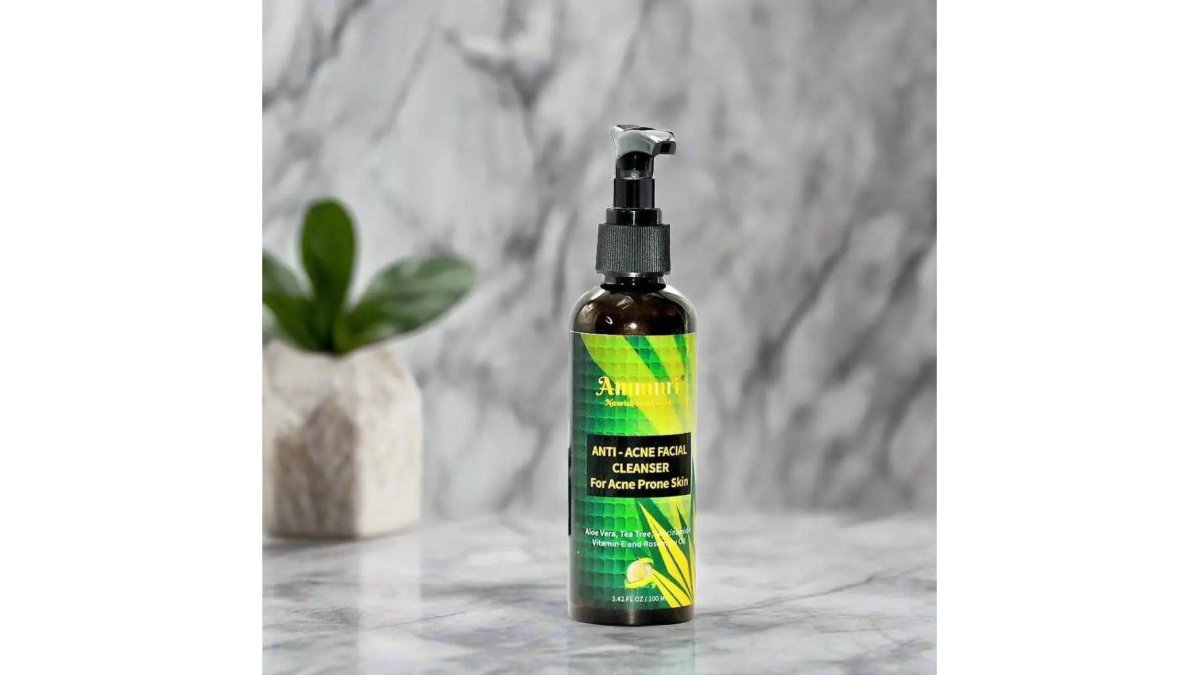
Start with a gentle daily cleanser that removes oil without stripping. Luxe Beauty Hub's curated range includes the Ammuri Clarifying Facial Cleanser for Blemish-Prone Skin, built around aloe vera, tea tree, niacinamide, and rosemary oil to cleanse while supporting a calmer, more balanced complexion.
Follow the cleanse with a soothing toner, then a treatment step. For a targeted option, the Apis ACNE-STOP Algae Mask uses bamboo, green tea, and Dead Sea black mud to help normalise sebum and refine pores. Finish with a mattifying moisturiser such as the Apis ACNE-STOP Mattifying Face Cream, which hydrates without clogging.

If you'd rather not assemble the pieces yourself, the Problem Skin Solution Bundle groups a glycolic cleanser, an aloe toner, and a calming cream into one routine.

So, Is Clean Beauty Worth It for Acne-Prone Skin?
Is clean beauty worth it for acne prone skin? Yes, with one condition: only when "clean" also means non-comedogenic, fragrance-conscious, and formulated for blemish-prone skin. Clean beauty earns its place as a gentle, barrier-friendly foundation, but it is not a magic cure and it will not outperform clinical treatment on severe acne.
The people who get the best results treat clean beauty as a starting point, not a finish line. They read ingredient lists, avoid the comedogenic oils that hide behind natural labels, and reach for proven botanical actives like tea tree, niacinamide, and green tea. They also accept that real improvement takes weeks of consistency, not days.
Where clean beauty genuinely wins is in the long game. Gentler formulas keep your barrier intact, which means fewer irritation-driven breakouts and a routine you'll actually maintain. That consistency, more than any single ingredient, is what clears skin.
Stubborn, blemish-prone skin rarely responds to guesswork, and building a routine that's both clean and effective takes the right formulas. Luxe Beauty Hub curates natural skincare selected for exactly this balance, with gentle solutions for blemish-prone skin, award-winning formulations, and products crafted with purity and intention. Explore the range and build a routine your skin can live with. Get started with Luxe Beauty Hub and find the clean, non-comedogenic products your skin has been waiting for.
Frequently Asked Questions
Does clean beauty actually help with acne?
It can, but only when the formulas are built for blemish-prone skin rather than just labelled natural. Gentle cleansers with niacinamide or tea tree, lightweight mattifying moisturisers, and soothing masks can calm inflammation and balance oil without stripping the barrier. The mistake is assuming any clean product will clear breakouts. Look for non-comedogenic formulas and avoid heavy oils or rich butters that can clog pores and undo your progress.
Are natural ingredients always better for blemish-prone skin?
No. Natural does not automatically mean gentle or effective. Some botanical oils, essential oils, and plant extracts can irritate sensitive skin or trigger breakouts. What matters is the specific ingredient and how the formula is built. Niacinamide, aloe vera, green tea, and tea tree tend to suit acne-prone skin well. Coconut oil, heavy butters, and certain citrus essential oils often do not. Read the full ingredient list rather than trusting the front label.
What ingredients should I avoid if I have acne-prone skin?
Watch for comedogenic oils such as coconut oil and wheat germ oil, heavy butters, and high concentrations of citrus or mint essential oils that can irritate. Alcohol-heavy toners strip the barrier and trigger more oil production. Fragrance, whether synthetic or natural, is a common trigger for reactive skin. If a product lists several of these near the top of the ingredient list, it is more likely to clog pores or cause redness than to clear your skin.
Is clean beauty regulated in the UK?
No, clean beauty is a marketing term rather than a legal category. Cosmetic products sold in the UK are regulated by the Cosmetic Products Enforcement Regulations 2013, which require a safety assessment, a responsible person, and a full ingredient list. There is no official definition of clean, so any brand can use the word. That means you need to check the ingredient list and look for third-party certifications rather than relying on the label.
Can essential oils cause breakouts?
Yes. Essential oils are concentrated plant extracts and some are more likely to irritate acne-prone skin than others. Citrus oils such as bergamot and lemon are phototoxic and can inflame skin in sunlight. Peppermint, eucalyptus, and lavender can trigger irritation in sensitive types. Tea tree is one of the better tolerated options and has natural antiseptic properties. Patch test any new product on your jawline for a few days before using it across your whole face.


